
Understanding Plantar Fasciitis: Causes, Symptoms, and Effective Treatment Options
By Patti Bath, MBA, MSN, RN, NI-BC
What is plantar fasciitis?
The plantar fascia ligament is a band of rubbery tissue that runs along the bottom of the foot and connects the toes to the heel bone. It supports the arch of the foot by absorbing shock during weight-bearing activities and tightening during push-off, a process known as the windlass mechanism.
Plantar fasciitis develops when this ligament becomes irritated and inflamed. Common symptoms include pain in the heel or arch, stiffness in the bottom of the foot, and swelling around the heel. The pain is usually a dull constant ache or a stabbing pain after putting pressure on your foot. Symptoms typically occur first thing in the morning, after periods of rest or prolonged sitting, or following physical activity.
Why does plantar fasciitis develop?
Plantar fasciitis can result from a variety of factors. Any activity that places prolonged stress on the feet may irritate the plantar fascia, which is why plantar fasciitis is the most common cause of heel pain in adults. Risk factors include standing for long periods, extended walking, walking barefoot, and repetitive impact on hard surfaces, such as jumping on concrete.
Footwear also plays a significant role. Shoes that lack proper support, such as flat sneakers or flip-flops, can strain the plantar fascia and increase inflammation.
Certain medical and structural factors may further increase risk, including high arches, flat feet, rapid weight gain, and obesity. Because heel pain can sometimes be linked to underlying medical conditions, it’s important to consult a healthcare professional when symptoms first appear.

Most effective treatments for plantar fasciitis
Treatment for plantar fasciitis often focuses on reducing inflammation and supporting the foot. Common recommendations include anti-inflammatory medications, rest, ice therapy, and arch support. After activities that trigger a flare-up, resting the affected foot and applying ice can help ease pain and swelling. A simple and effective icing technique is to freeze a water bottle and roll it under the foot while wearing a sock. This provides a cold massage that helps decrease inflammation in the plantar fascia.
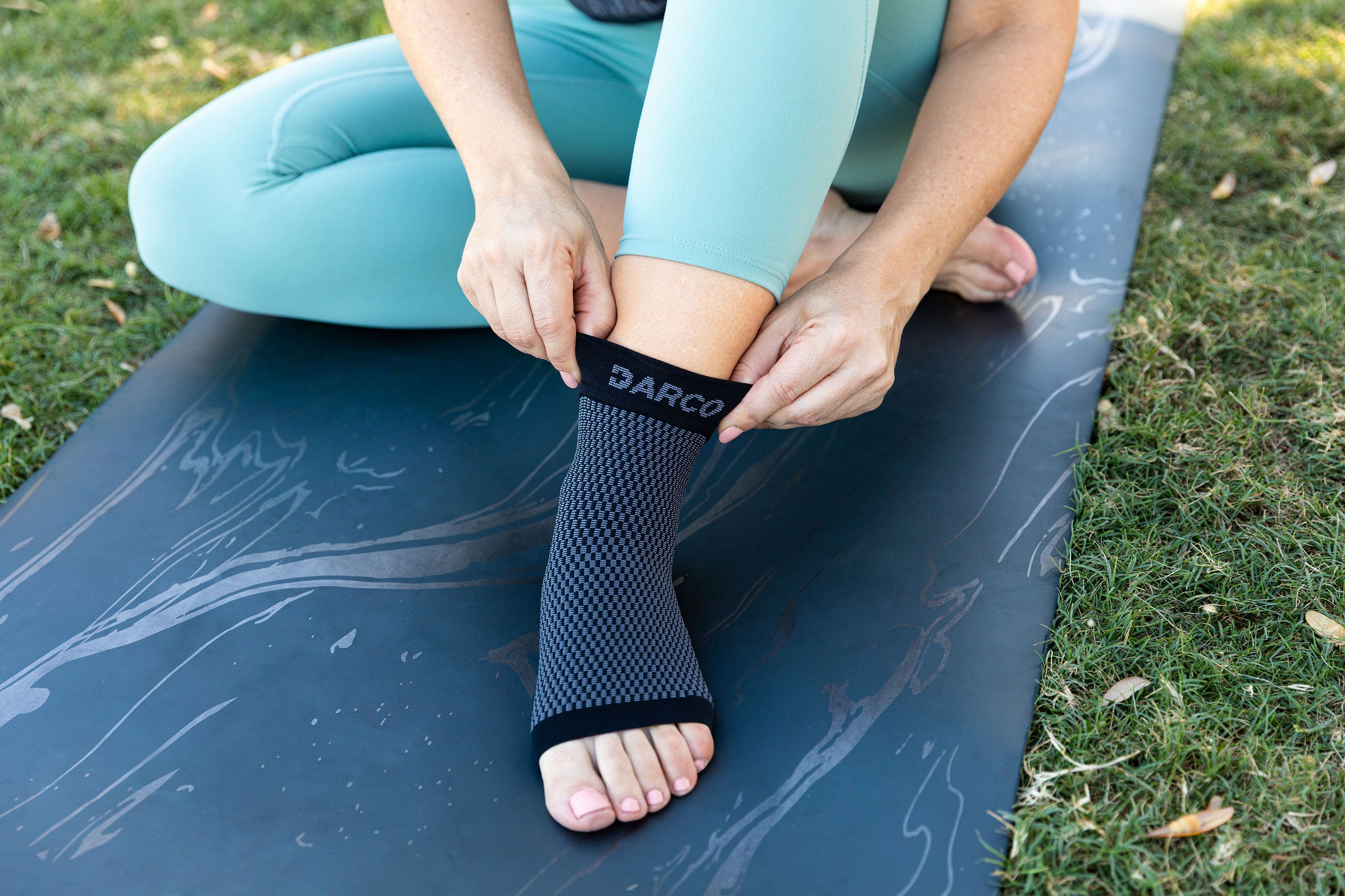
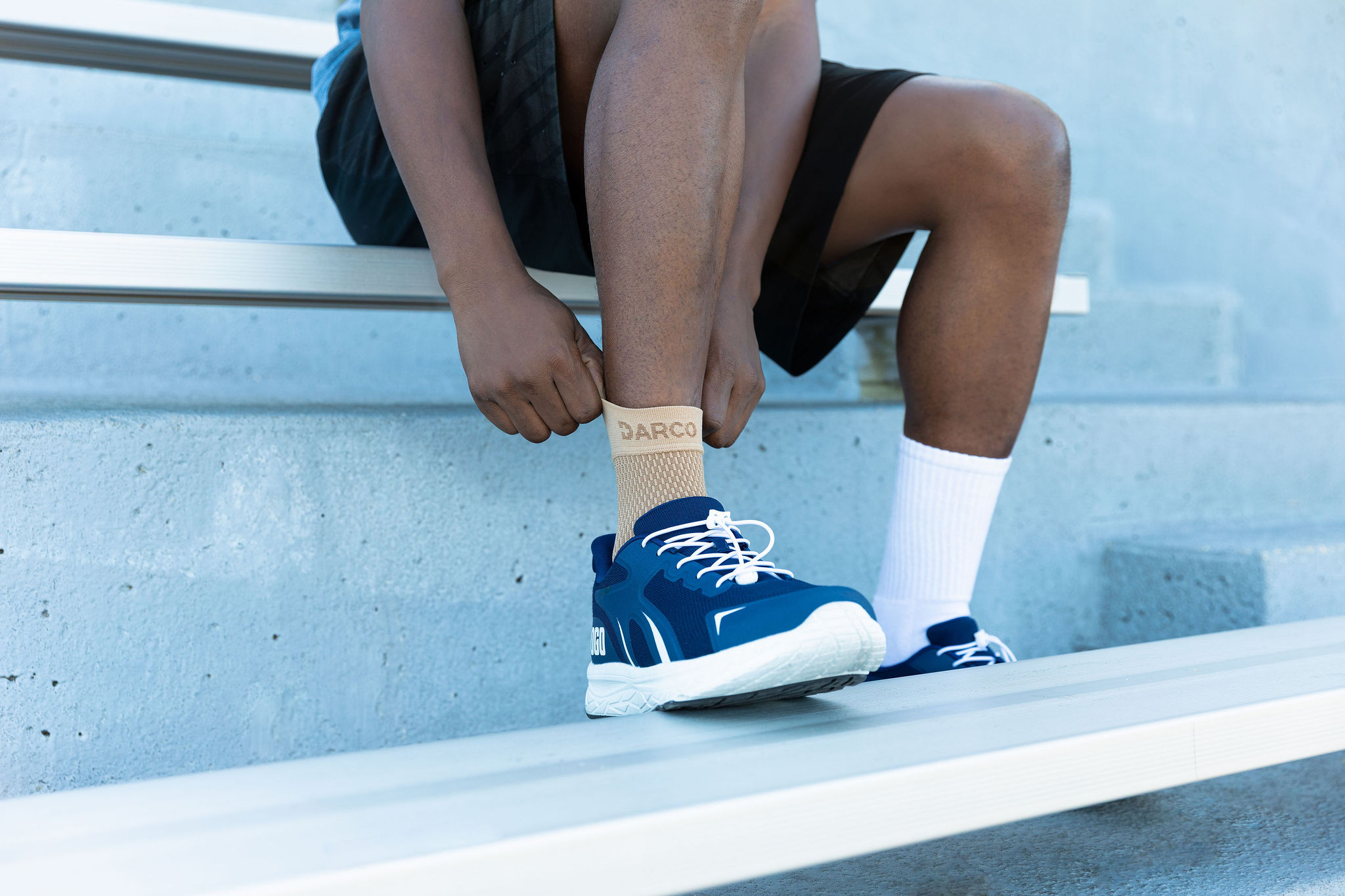
The best plantar fasciitis products support the plantar fascia by improving alignment, reducing strain, and promoting healing. Daily use of a compression sleeve, such as the DARCO International DCS™ Plantar Fasciitis Compression Sleeve, and orthotic insoles like ProMotion® Plus Orthotic Insoles, can provide relief for mild symptoms and ongoing support. Wearing supportive footwear, such as the POGO® by DARCO Athletic Offloading Sneaker, may also help reduce strain during daily activities.
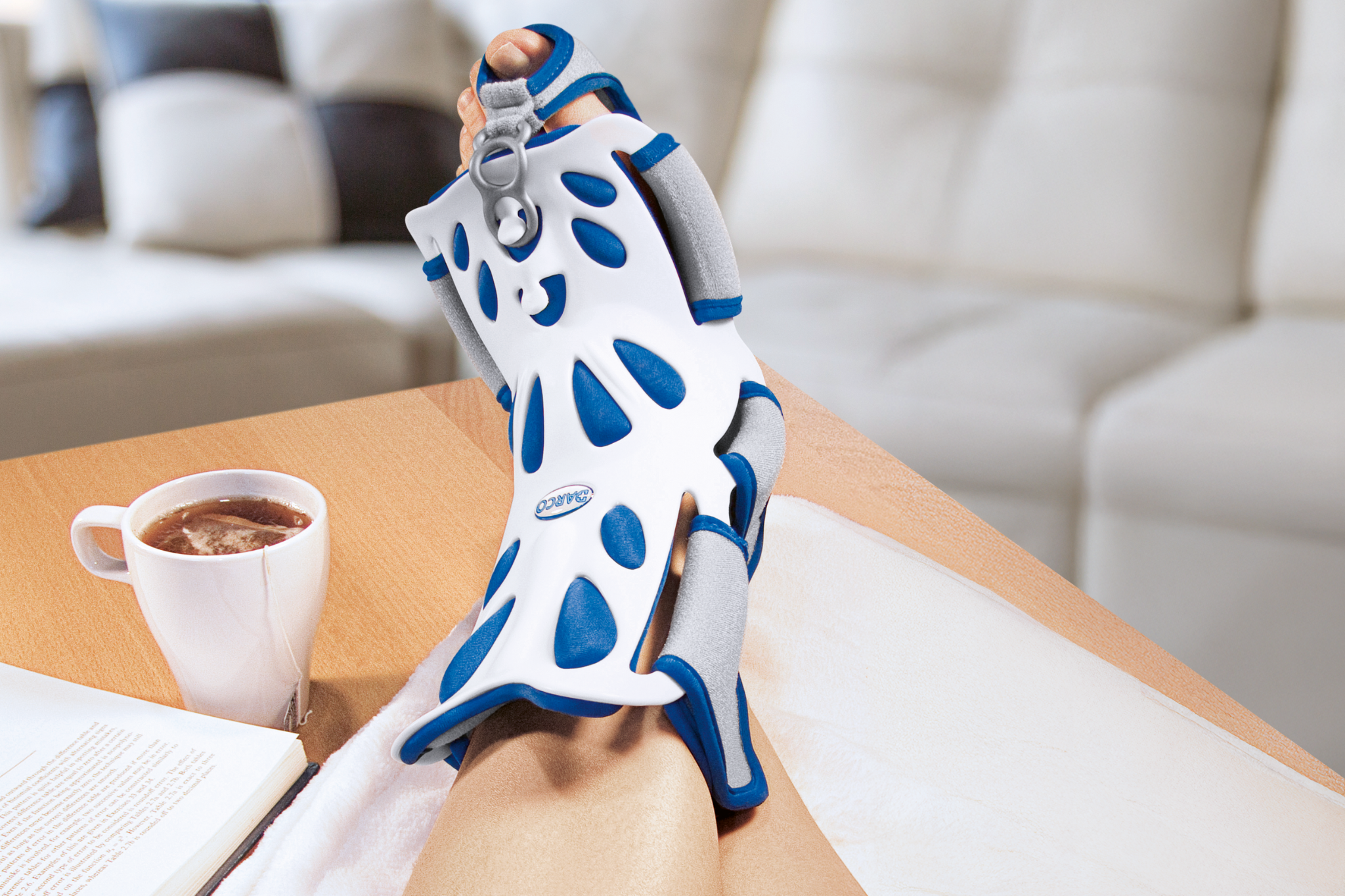
For persistent or severe symptoms, night splints can be highly effective. The Body Armor® Dorsal Night Splint is designed to activate the windlass mechanism, gently stretching the plantar fascia while you sleep. For a more adjustable option, the Pneumatic Night Splint provides customizable stretching of both the Achilles tendon and plantar fascia during rest.
With early intervention, proper support, and consistent treatment, plantar fasciitis can be effectively managed, helping you return to daily activities with less pain and better foot health.