The Ultimate Guide to Ankle Sprains: Treatment, Recovery + Prevention
By Patti Bath, MBA, MSN, RN, NI-BC
Ankle sprains are among the most common musculoskeletal injuries. Whether you’ve rolled your ankle outward (an inversion sprain, the most common type), inward (an eversion sprain), or sprained the top of the ankle (a high ankle sprain), understanding how to treat and protect your ankle can help you recover quickly and safely.
Ankle Sprains: Grades and Symptoms
There are three levels of severity for ankle sprains. Grade 1 is a mild sprain, usually caused by stretching the ankle ligaments. You may notice minor swelling and discomfort, but you are usually still able to walk. Grade 2 is a moderate sprain, caused by a partial ligament tear. Swelling, bruising, moderate discomfort, and some difficulty bearing weight are common. Grade 3 is a severe sprain, caused by a complete ligament tear. Significant swelling, bruising, and pain will be present, along with an inability to bear weight.
Ankle Sprain Recovery Time, Treatment, and Bracing
The higher the grade, the longer the recovery time. Grade 1 typically takes 1-3 weeks to show significant improvement. Grade 2 is longer, at 3-6 weeks, and grade 3 is usually 6 weeks to 3 months or more. For all grades, the R.I.C.E. (rest, ice, compression, elevation) Protocol should be initiated immediately after injury. Icing the elevated ankle for 20-minute intervals can help reduce pain and swelling and shorten healing time. Consult a medical professional or physical therapist for excessive swelling or unrelieved pain.
For light compression and stabilization of a grade 1 sprain, DARCO International Body Armor® Elastic Tape is a cost-effective, efficient treatment. Generally used for up to 7 days after injury, it can help reduce pain and swelling and prevent re-injury by keeping the ankle stable.
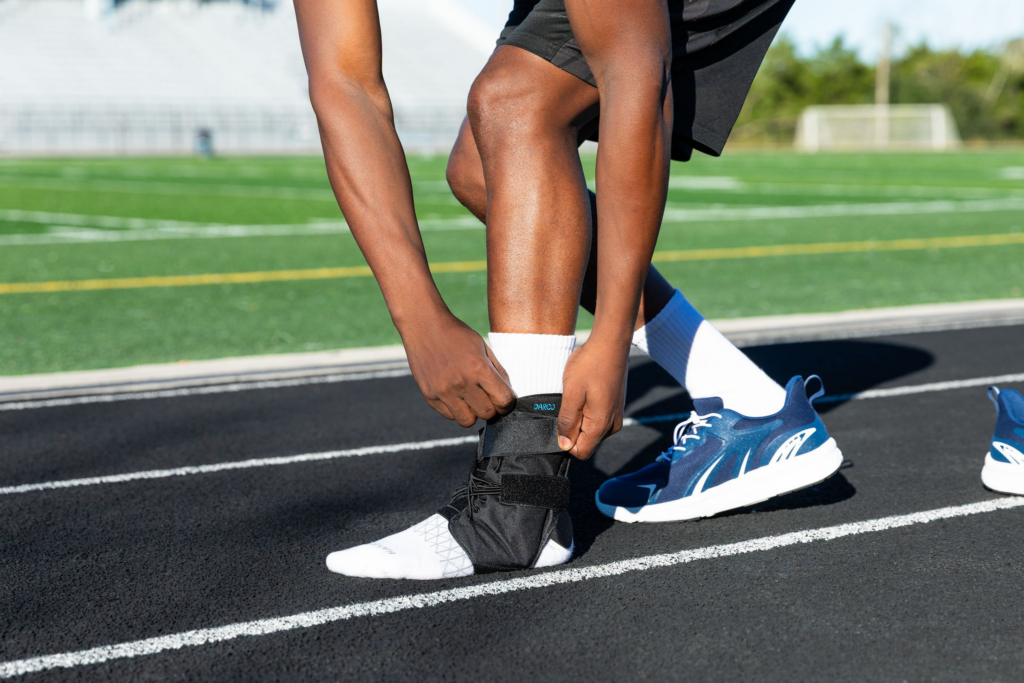
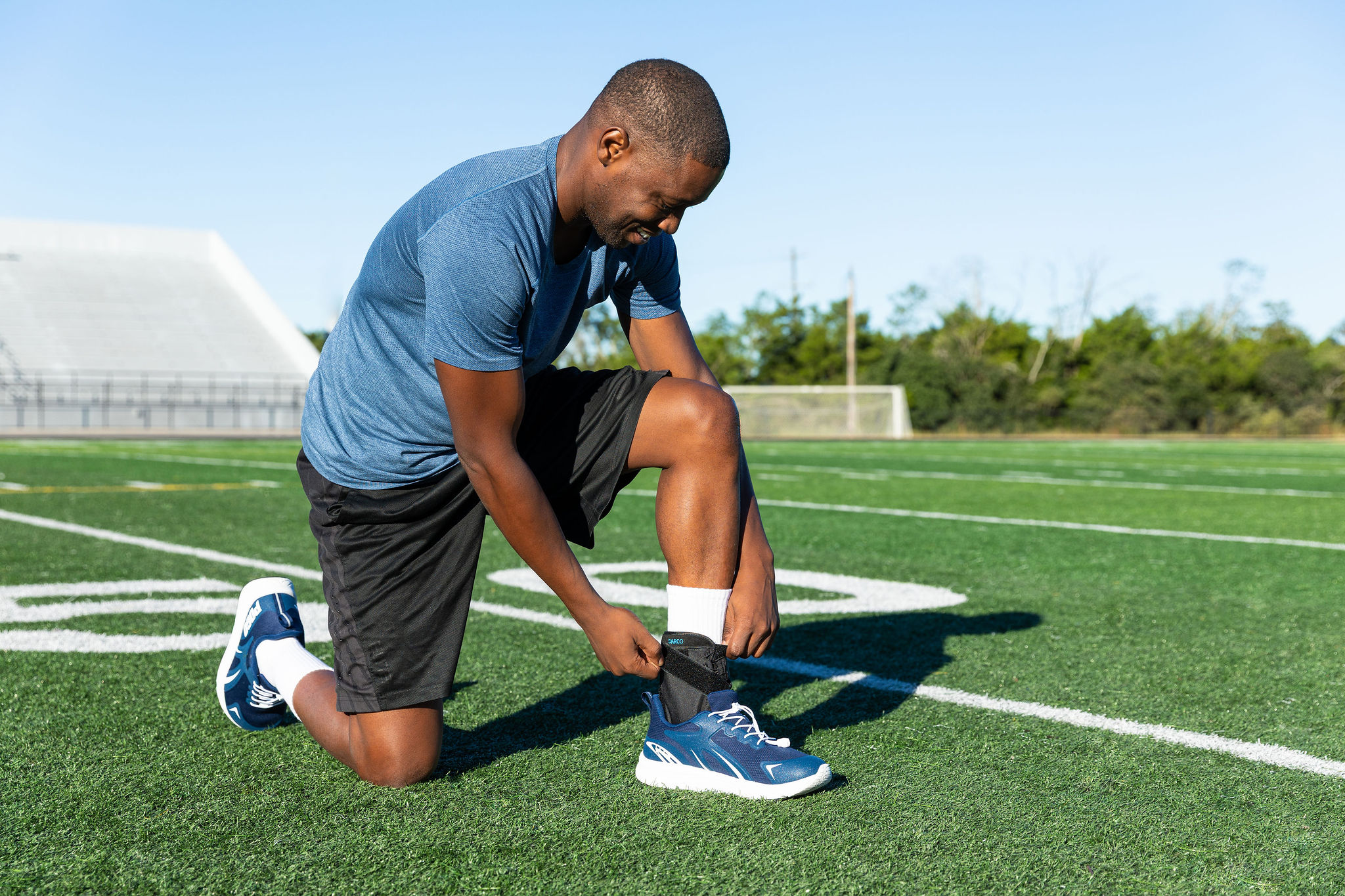
Grade 2 and 3 sprains generally require a brace during recovery. A lace-up ankle brace, such as the DARCO International Web Ankle Brace, provides everyday support and adjustable compression. A semi-rigid brace, like the DARCO International Body Armor® Sport Ankle Brace, provides support and compression while restricting side-to-side movement. Both provide the necessary stabilization to support the injured area, promote healing, and prevent reinjury. During and after the healing phase, it’s important to wear supportive shoes with solid soles, like POGO® by DARCO. Combining a supportive shoe with a web brace or semi-rigid brace will ensure the injured ligaments will maintain the proper alignment during everyday activity.
The most important factor when choosing a brace is choosing one you will consistently wear. The brace should be worn at all times except when resting or sleeping, until you can perform all movements without feeling your ankle is unstable.
While it can be difficult to slow down, returning to regular activity, especially without proper support, can lead to chronic instability. With the right treatment and patience, you can fully heal and stay injury-free.
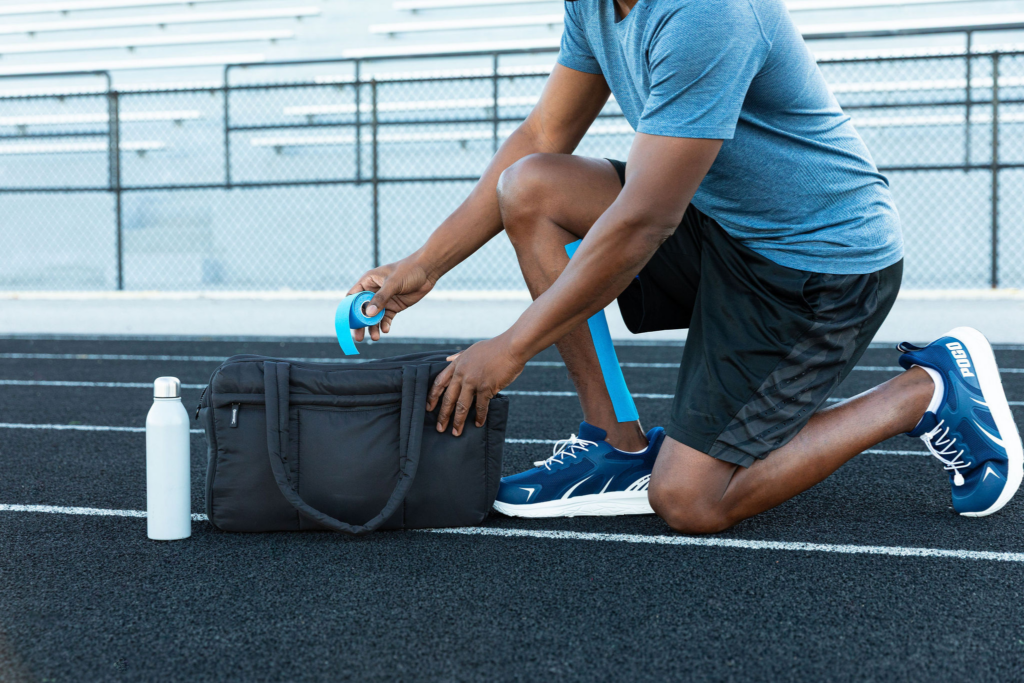
Body Armor® Elastic Tape
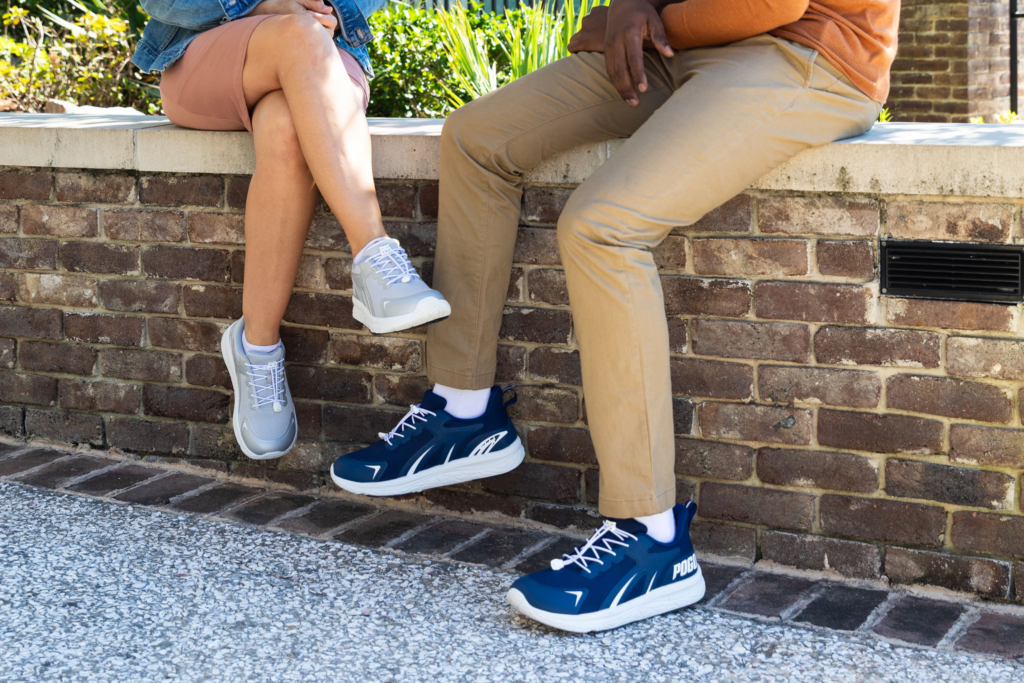
POGO® Athletic Offloading Sneaker