Daily Foot Checks: A Simple Habit That Can Help Prevent Diabetic Foot Ulcers
By Patti Bath, MBA, MSN, RN, NI-BC
Daily foot checks are a simple habit that make a big impact. For people living with diabetes, foot health is key in preventing serious complications. An increase in blood sugar can damage nerves and decrease circulation, which makes it harder to recognize and treat wounds. Cuts, blisters, and pressure points can develop into ulcers if left untreated. Learning how to check feet for early signs of diabetic wounds by performing daily foot self-exams can identify problems early and reduce the risk of infection, hospitalization, and amputation.
How to Perform a Daily Exam at Home
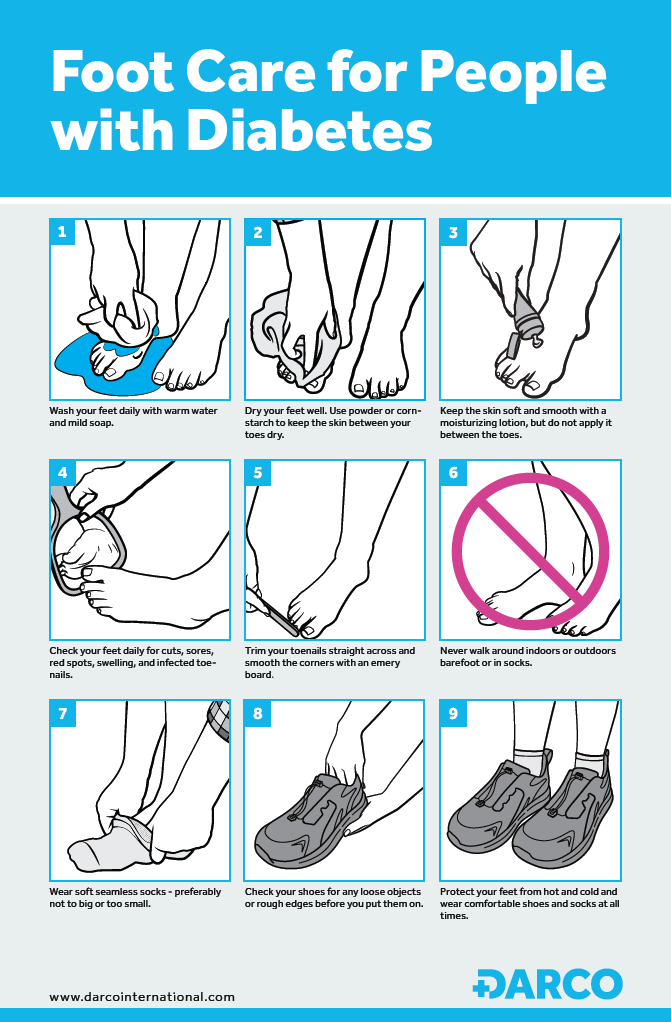
- Wash your feet with warm water and mild soap. Dry your feet thoroughly.
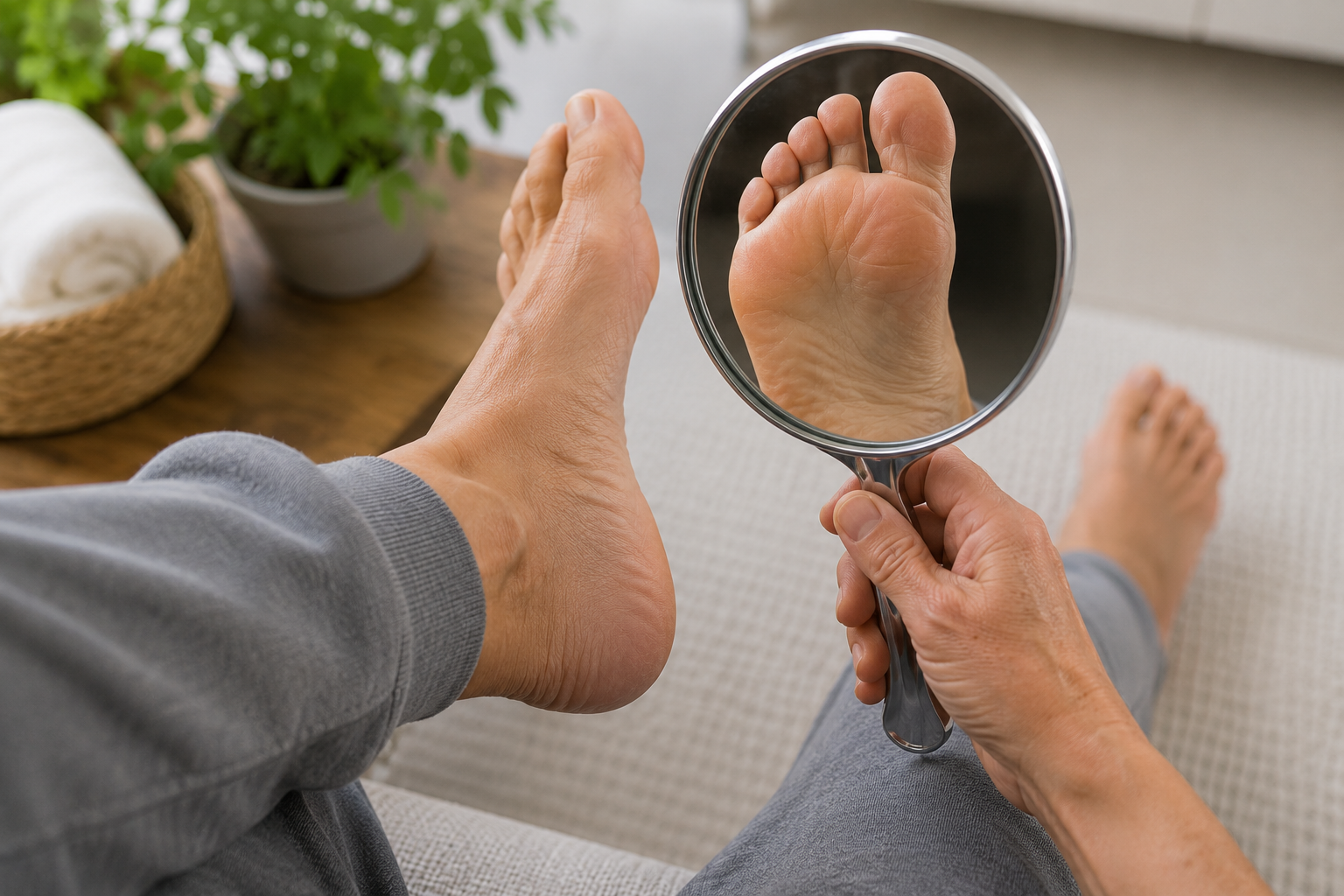
- Inspect your feet and toes, using a handheld mirror for hard to see areas. Look for cuts, blisters, cracks, calluses, swelling, and changes in skin color and temperature.
- Moisturize dry areas using an unscented moisturizer, but do not apply it between the toes.
- Assess sensation and comfort, noting any new pain, numbness, or tingling. Tools like the FootFilament™ Multi-Use Monofilament Tester and the Single-Use Monofilament Tester can help determine nerve issues and neuropathy
- Apply clean, soft, seamless socks and proper footwear.
Warning Signs that Require Immediate Medical Attention
Notifying your healthcare provider of any changes is just as important as daily checks. Tell your provider immediately if you notice an open sore or wound that is not healing, redness, swelling, or increasing pain, drainage, pus, or foul odor, blackened or discolored skin, new numbness or loss of sensation, sudden warmth in one area of the foot, or signs of infection, such as fever or spreading redness.
Early treatment can prevent minor issues from progressing into severe complications. Often, simple offloading or protective footwear, such as the POGO® by DARCO: Athletic Offloading Sneaker, can relieve pressure and prevent further skin deterioration.
These interventions can help prevent a small concern from developing into a diabetic foot ulcer. Daily foot checks, combined with proper footwear and timely medical care, are among the most effective strategies for maintaining foot health and preventing diabetic foot ulcers. A few minutes each day can help promote comfort, mobility, and independence.
Click the image below to download our free "Foot Care for People with Diabetes" poster!