
Diabetic Foot Ulcers: Early Warning Signs You Should Never Ignore

By Patti Bath, MBA, MSN, RN, NI-BC
Diabetic foot ulcers are open areas on the foot that can develop from cuts, blisters, and increased pressure. Elevated blood sugar can damage nerves and reduce circulation, making wounds harder to notice and treat. Even minor irritation can become a serious wound if left untreated. Recognizing the early signs of foot ulcers is essential to prevent infections, wounds, and potential amputations.
Common Warning Signs
It’s important to know common warning signs to look for. Call your healthcare provider immediately if you notice an open sore or wound that is not healing, redness, swelling, or increasing pain, drainage, pus, or foul odor, blackened or discolored skin, new numbness or loss of sensation, sudden warmth in one area of the foot, or signs of infection, such as fever or spreading redness.
Understanding Risk Factors
Several risk factors increase the likelihood of developing a diabetic foot ulcer. Neuropathy, or nerve damage from high blood sugar, reduces sensation in the feet. Small cuts, blisters, or pressure injuries can go unnoticed until they develop into a wound. Poor circulation can reduce oxygen and nutrient delivery to the area, which are key for healthy skin.
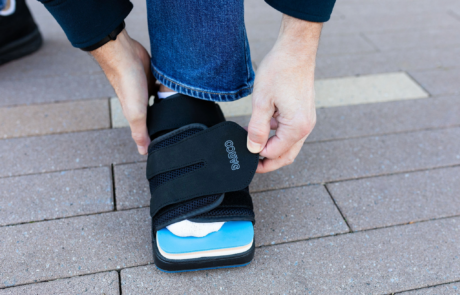
Poorly fitting shoes can increase the risk of diabetic foot complications. Wearing offloading sneakers designed to reduce pressure, such as POGO® by DARCO Athletic Offloading Sneaker, is an easy way to decrease your risk of developing a diabetic foot ulcer.


Why Early Intervention Matters
Identifying a diabetic foot ulcer early can make all the difference. Prompt identification and early intervention are among the most important factors in diabetic foot care. Early warning signs, such as a reddened pressure point or small area of friction, should be evaluated by your healthcare provider before further breakdown occurs. Specialized offloading footwear, such as DARCO's POGO® Athletic Offloading Sneaker and DUO™Pro Wound Care Shoe, feature customizable Aircore™ offloading insoles designed to redistribute pressure away from vulnerable areas of the foot. For patients with open wounds, options like DUO™ Pro, the Closed Toe Wound Care Shoe System™, and the Open Toe Wound Care Shoe System™, provide targeted pressure relief while accommodating wound care treatments.
Daily Habits to Prevent Diabetic Foot Ulcers
Daily foot checks are one of the easiest way to prevent diabetic foot ulcers. Begin by washing and drying your feet thoroughly. Inspect your feet and toes, using a handheld mirror for hard-to-see areas. Look for cuts, blisters, cracks, calluses, swelling, and changes in skin color and temperature. Apply an unscented moisturizer to dry areas and assess any changes in sensation or comfort. Pay close attention to any new pain, numbness, or tingling. Apply clean socks and comfortable, supportive footwear.
In addition to daily foot checks, you can start simple habits to help protect your feet. Avoid walking barefoot, especially outside. Trim toenails carefully and schedule routine podiatrist appointments for difficult toenails or calluses. Work with your healthcare provider to keep blood sugars within an appropriate range, and schedule routine diabetic foot checks.
Recognizing early warning signs and reporting them to your healthcare provider is the easiest way to protect your feet and prevent diabetic foot ulcers.