
How to Protect and Heal Foot Wounds: A Guide for Patients and Caregivers
By Patti Bath, MBA, MSN, RN, NI-BC
For the one in three people living with diabetes who develop a foot ulcer¹, caring for it can feel overwhelming. Adding simple daily steps and precautions to your medical treatment can help prevent wound infection and support healing. Whether you’re caring for yourself or a loved one, this guide walks through the essentials.
Cleanliness and Dressing Changes
After initial treatment by a medical professional, it’s essential to keep the wound and dressings clean to prevent infection. Cleanse the wound daily with mild soap or sterile saline. After rinsing, gently dry the area with clean gauze. Check the wound and the surrounding skin for new redness, swelling, breakdown, or drainage.
Apply prescribed ointment as directed, then cover with a clean bandage of sterile gauze and a light wrap. The wrap should feel secure but not tight. The wound should always be covered and not left open to air.
Repeat daily, and whenever the dressing becomes soiled or wet. Harsh chemicals, such as hydrogen peroxide and alcohol, and soaking the wound should be avoided. Apply a scent-free moisturizer to the area around the wound, avoiding any open areas and in between the toes. Always wash your hands before and after changing the dressing to reduce the risk of infection.
Danger Signs that Require Medical Attention
Call your wound care provider immediately with any changes, including new or increasing redness or drainage, warmth to the touch, foul odor, or blackened tissue. Fever, chills, and new or worsening pain can also indicate an infection and should be reported immediately. Early intervention is the key to preventing serious wound-related complications.
The Role of Offloading in Preventing Further Tissue Damage
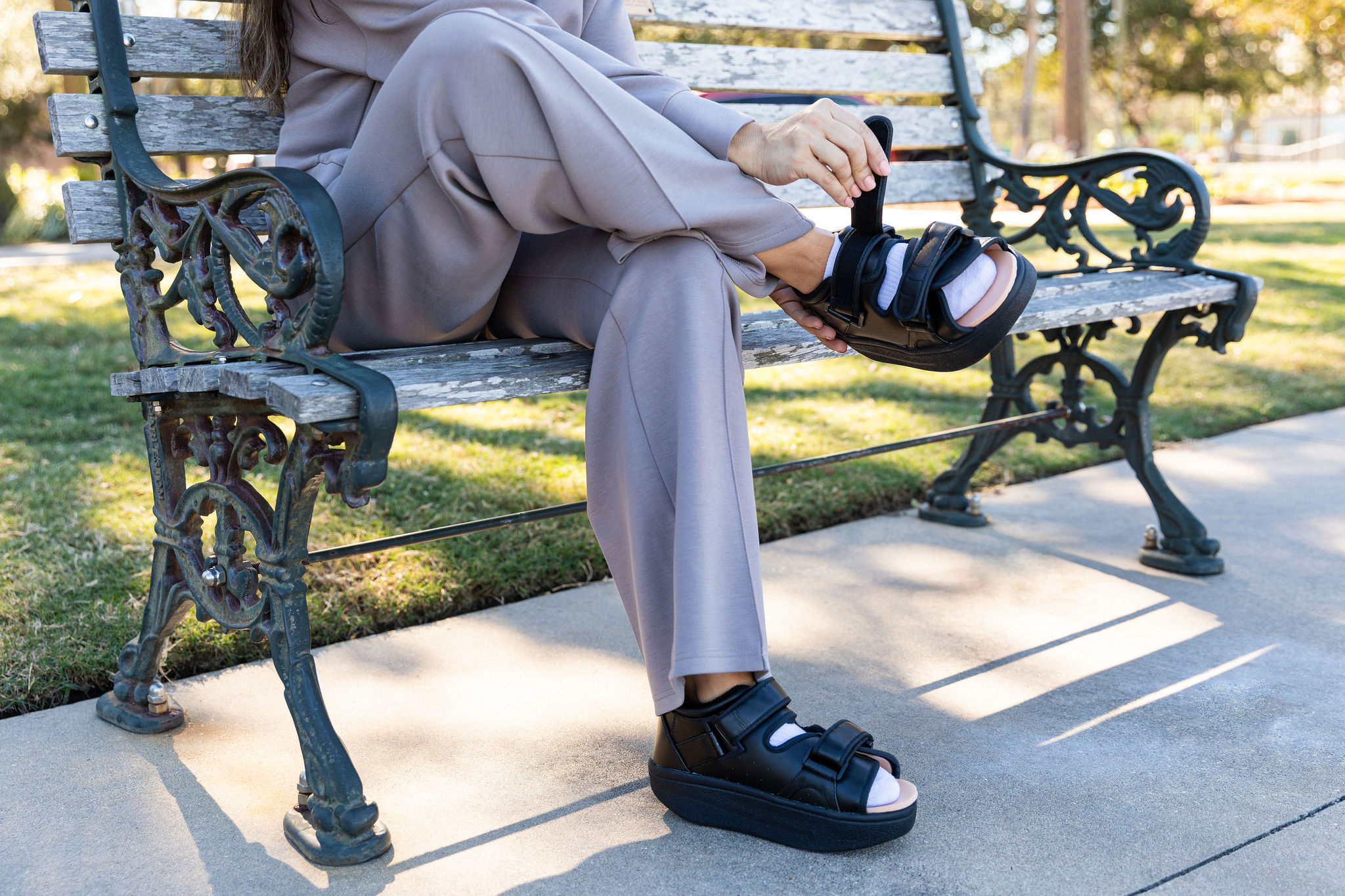
Every step places pressure on a foot wound, increasing friction and slowing healing. Offloading pressure on the diabetic wound is one of the easiest ways to promote healing and prevent infection. Avoid walking barefoot at all times and limit high-impact weight-bearing activities, such as jumping and stomping. Our customizable offloading shoes, such as the DUO™Pro Wound Care Shoe™, Closed Toe Wound Care Shoe System™, or POGO® Athletic Offloading Sneaker, use our innovative peg insole to decrease pressure where you need it while supporting the rest of the foot.
Small steps, such as consistent daily care, prompt attention to warning signs, and effective offloading, can make a big difference in healing foot wounds and preventing infection.
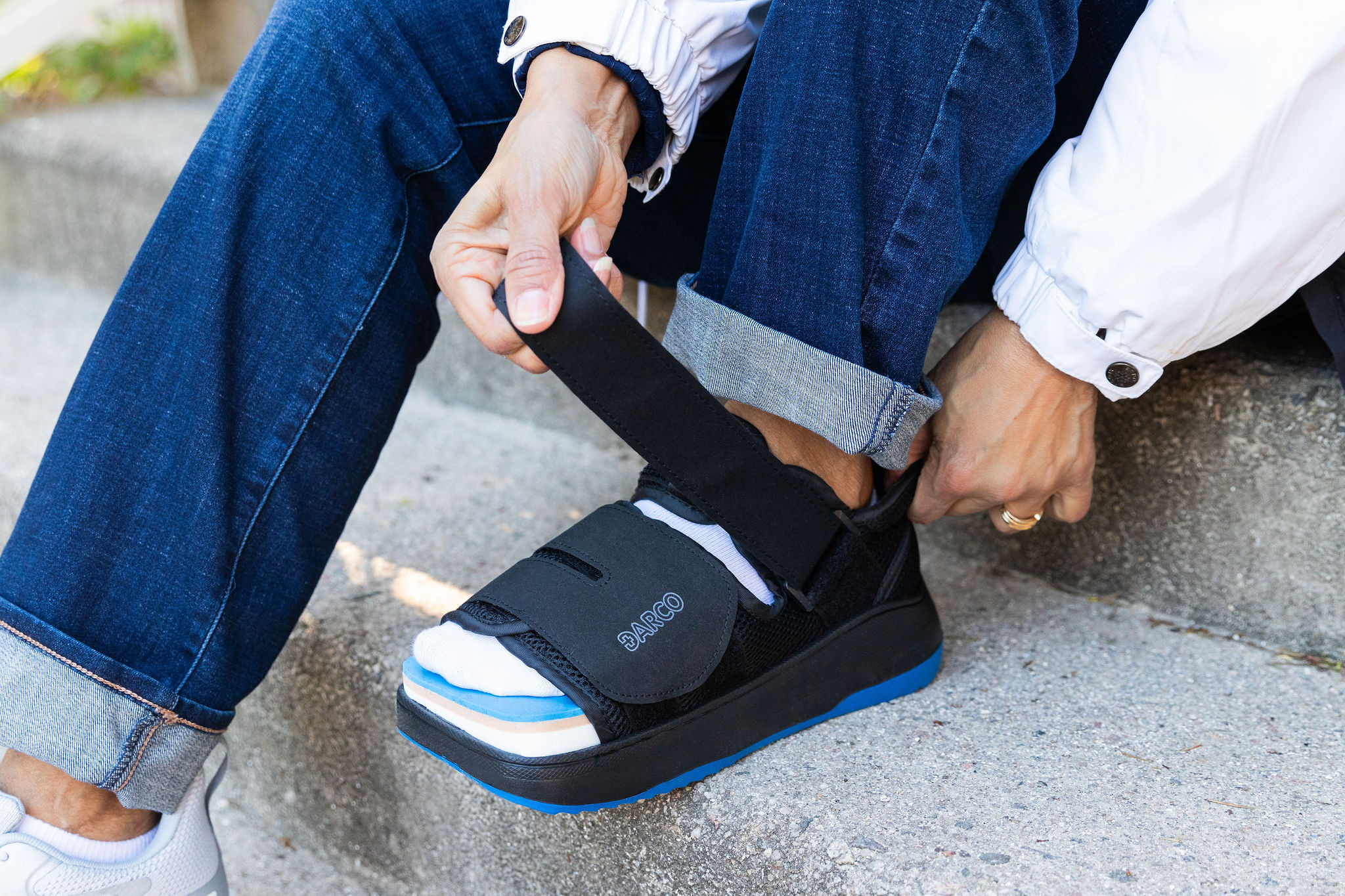
DUO™Pro Wound Care Shoe

Closed Toe Wound Care Shoe System™
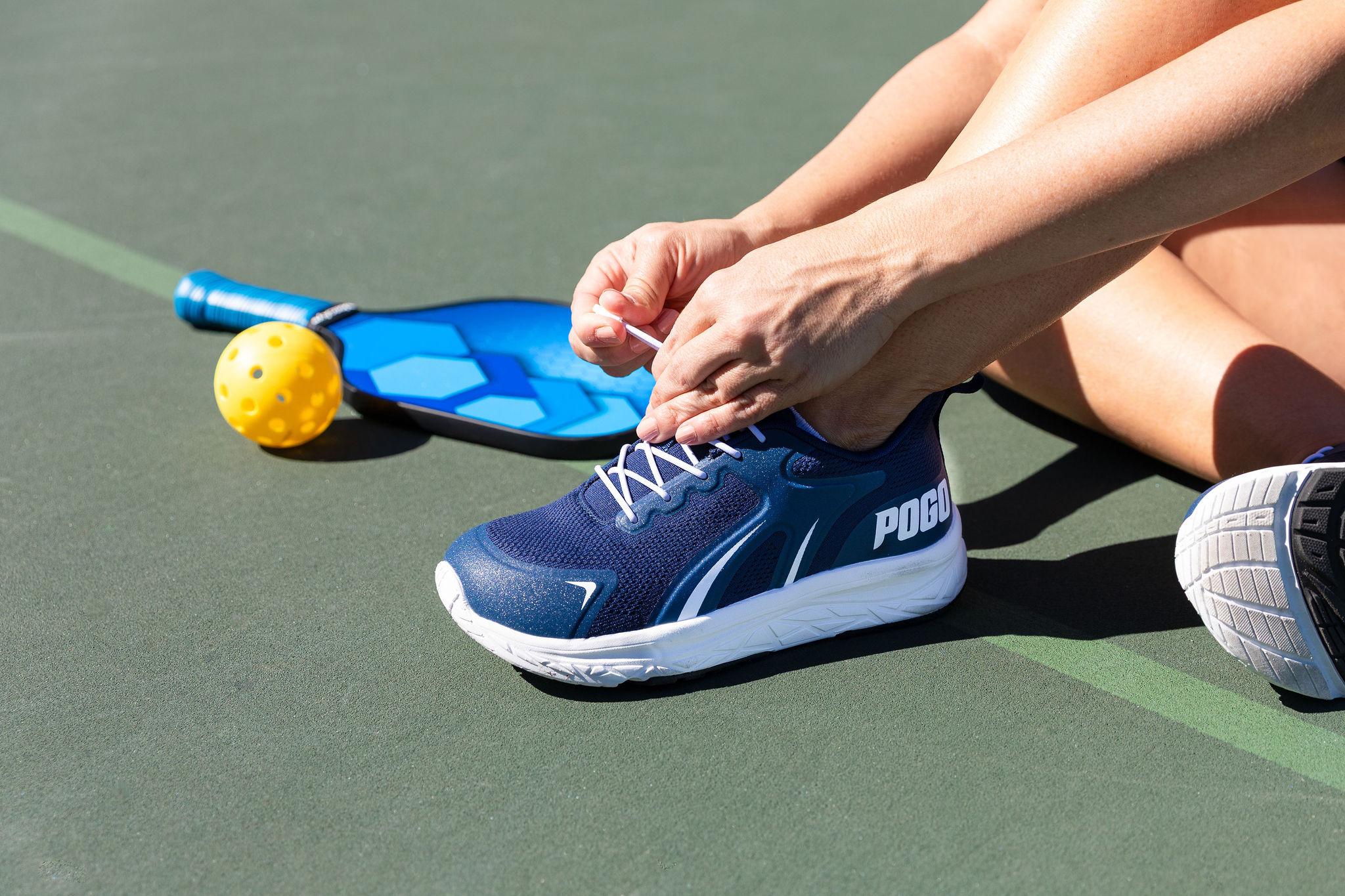
POGO® Athletic Offloading Sneaker
Share This Story, Choose Your Platform!
¹Voelker, R. (2023). What are diabetic foot ulcers? JAMA. doi:10.1001/jama.2023.17291