
Managing Partial Foot Amputations: What Patients Should Expect During Recovery
By Patti Bath, MBA, MSN, RN, NI-BC
Managing a partial foot amputation can feel overwhelming but understanding what to expect after discharge from the hospital can help decrease stress. Along with instructions from your healthcare provider, this guide, which includes timeline expectations, pain control, wound care, mobility progression, orthotic options, and common challenges such as re-ulceration, will help you ease back into your routine with confidence.
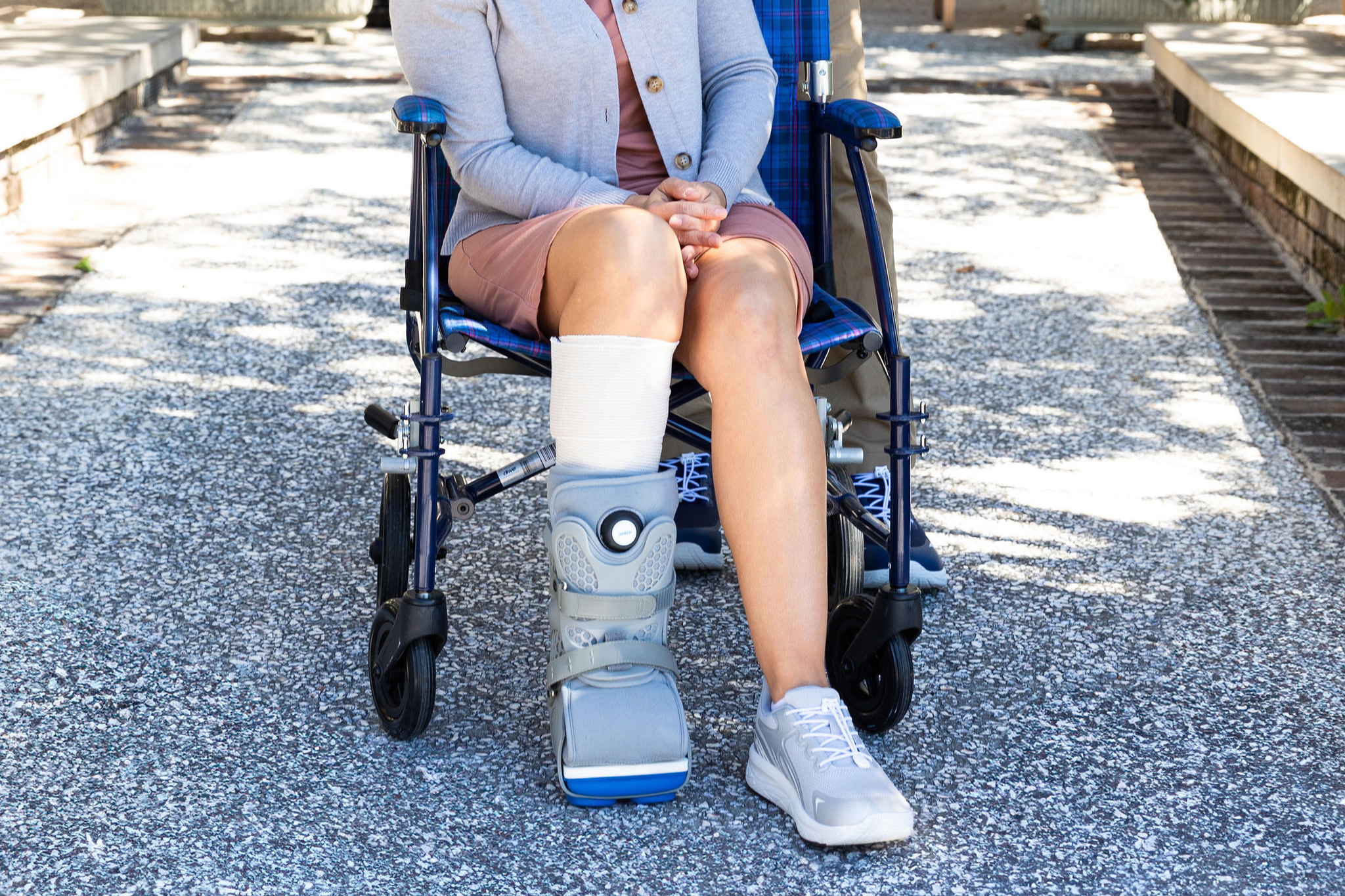
Everyone has their own healing journey. Some people heal more quickly, while others require additional time. In most cases, patients remain in the hospital for up to a week after surgery. This time is a critical part of the healing process as you work with your healthcare team to manage pain and learn wound care for home. As most patients are non-weight-bearing for the first few weeks, physical therapy will also begin in the hospital to create a mobility plan.
 Surgical + Phantom Pain
Both surgical and phantom pain, which is pain that is felt at the amputation site, are common early in recovery. Elevation and medication can significantly decrease discomfort, and it’s important to stay ahead of the pain. Take pain medication proactively as directed instead of waiting for the pain to become unbearable. Notify your care team immediately if the pain persists or worsens.
Recovery + Wound Management
After the hospital, a small percentage of people choose inpatient rehab while most return home. For the first few weeks, partial foot amputation recovery at home will focus on keeping the surgical site clean and dry, managing pain and swelling, and continuing therapy. The wound should be washed with water and a mild cleanser, patted dry, and wrapped as directed every day and when soiled. Look for signs of infection, such as redness, drainage, or warmth around the incision site.
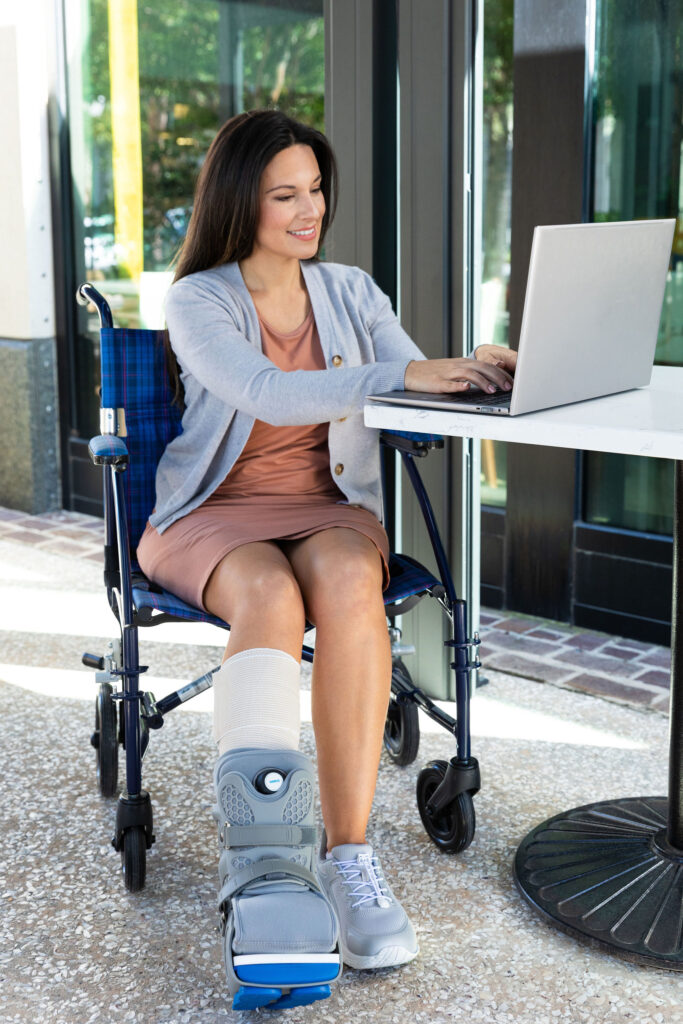
Around weeks three to six, as the swelling decreases and the wound heals, the sutures are removed and you’ll be able to start bearing weight while wearing a protective boot or shoe, called an interim orthosis. The best type of orthosis for partial foot amputations protects the surgical site while providing adaptable support, such as DARCO International’s Body Armor® PFA Walker, which is designed specifically for partial foot amputations. When choosing an interim orthosis, it’s important that it is adjustable to accommodate bulky dressings but secure enough to stabilize.
Mobility + Weight Bearing
As you increase your weight-bearing and mobility, it’s important to be aware of pressure redistribution and re-ulceration. After a partial foot amputation, the areas of the foot that bear weight during walking shift to a different area of the foot. This can lead to new pressure points, causing skin breakdown and re-ulceration, especially if neuropathy is present. Inspect the skin around the surgical site and the bottom of the foot during the daily dressing changes and notify your care team of any changes.
As the surgical site heals and mobility and weight-bearing advance around week seven and beyond, rehab will begin to include strengthening, balance, and a long-term orthosis. An orthotics specialist, called an orthotist, will help you determine what type of orthosis, such as inserts, plates, ankle-foot orthoses, or specialized footwear, will fit you and your goals best.
The recovery period will require patience and diligence, but with proper wound care, pain management, and therapy, most patients return to their previous level of activity and independence.