
Understanding Neuropathy: Why Foot Protection Matters
By Patti Bath, MBA, MSN, RN, NI-BC
What is Neuropathy?
Neuropathy is a condition caused by damage to the nerves. It most commonly affects the peripheral nerves of the legs and feet in people living with diabetes. Elevated blood sugar can damage the blood vessels that supply the nerve, causing diabetic neuropathy. This often happens gradually and can reduce the ability to feel pain, temperature, or pressure. These decreased sensations can negatively affect balance and foot health.
Common Symptoms of Neuropathy
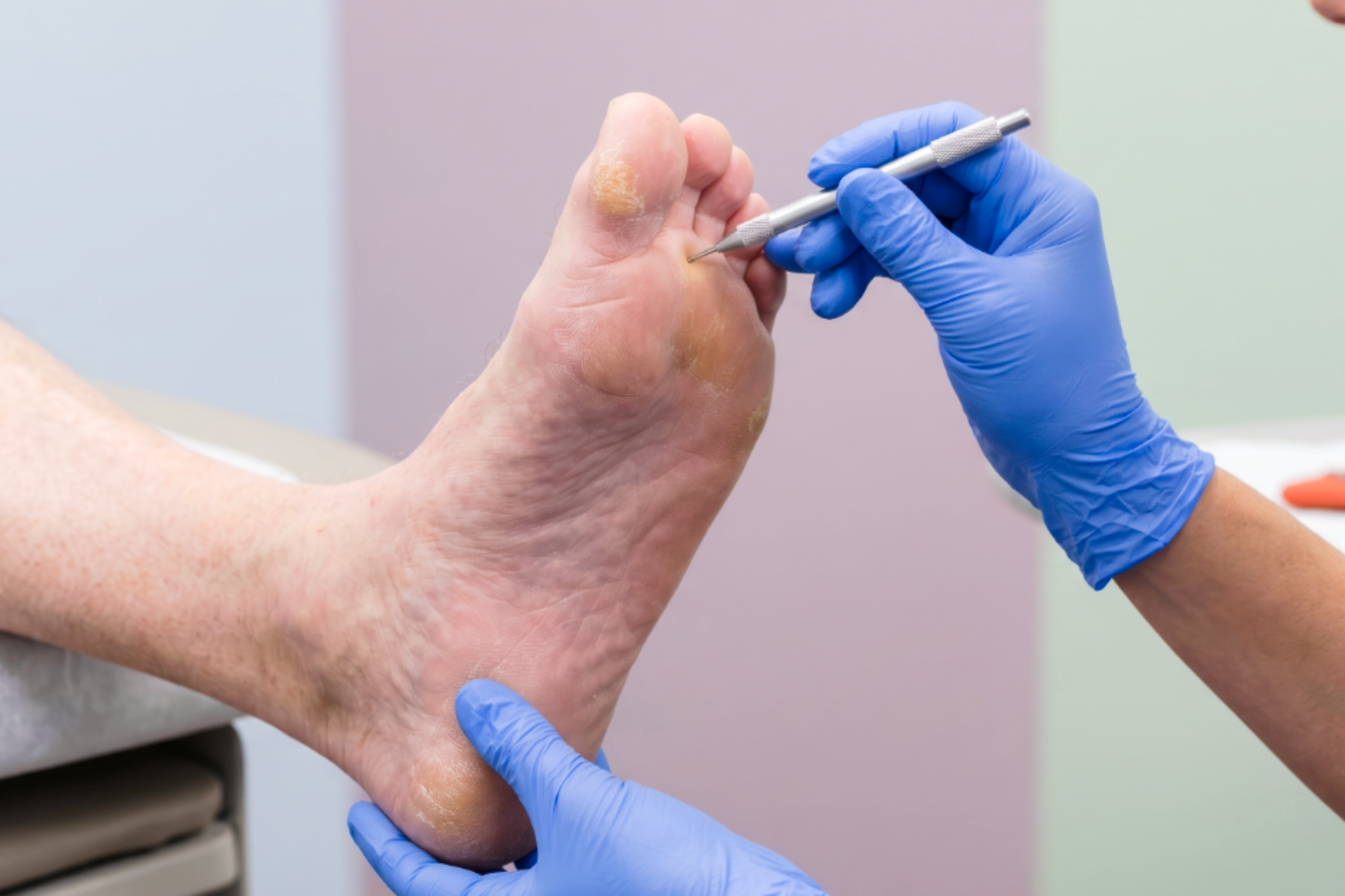
Common symptoms of neuropathy include numbness, tingling, burning, sharp pain, and loss of sensation. As nerve damage worsens, injuries such as cuts, blisters, or areas of excessive pressure may go unnoticed because they no longer cause discomfort. Without prompt attention, these seemingly minor issues can develop into more serious complications, which is why proper foot care is so important.
Why Unnoticed Pressure and Friction Can Lead to Wounds
One of the greatest risks associated with neuropathy is the inability to detect pressure and friction. An ill-fitting shoe or repetitive rubbing in the same area can damage the skin without sending a pain warning signal. As the damage increases or goes undetected, pressure ulcers begin to form. These wounds tend to heal very slowly and make the area more susceptible to infection.
The Importance of Protective Footwear, Pressure Redistribution, and Daily Foot Checks
Daily foot checks, combined with proper footwear and pressure redistribution, are among the most effective strategies for maintaining foot health and preventing diabetic foot ulcers caused by neuropathy. Diabetic footwear that fits correctly helps reduce pressure points, minimize friction, and improve stability while walking. Specially designed footwear, such as POGO® by DARCO and GentleStep™ Extra-Depth Diabetic Shoes, redistributes pressure across the foot, helping protect vulnerable areas and reducing the risk of skin breakdown and ulcer formation. Healthcare providers may also use sensory screening tools, such as the Monofilament Tester and the FootFilament™ Multi-Use Monofilament Tester, to identify areas at increased risk of neuropathy.
Managing neuropathy requires a proactive approach. Daily foot checks, protective footwear, pressure redistribution, and sensory testing work together to protect foot health and reduce the risk of complications. Protecting your feet today can help preserve mobility, independence, and quality of life for years to come.