
What Is Elastic Tape? Uses, Benefits, and Common Conditions It Can Help Treat

By Isaac Bath, PT, DPT and Patti Bath, MBA, MSN, RN, NI-BC
What is Elastic Tape and What Conditions Can Elastic Tape Help Treat?
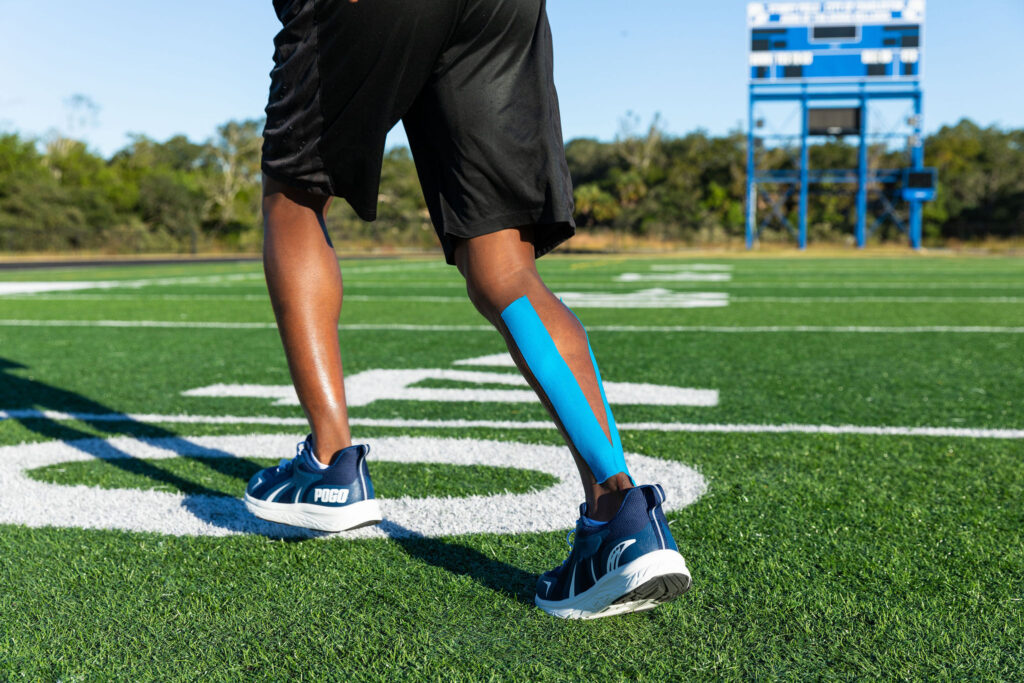
Elastic tape is a thin, flexible sport and therapy tape designed specifically for applied kinesiology. Unlike more rigid tapes, the elasticity provides targeted support that allows natural movement. When placed strategically, it can help support muscles, stabilize joints, improve blood flow, reduce swelling, and relieve pain after muscle, joint, or sports-related injury. It can also enhance proprioception and bring awareness to the affected area to encourage safer movement.
These mechanisms can be beneficial for many injuries. For muscle strains, application to an injured muscle can reduce tension on the muscle. It can also be used to offload the tendon, useful for tendinopathies such as Achilles tendonitis. The external support provided by elastic tape can help with ankle instability and sprains. It can be used to support the arch and reduce the pressure on the plantar fascia, aiding with plantar fasciitis. Areas with soft tissue swelling benefit from skin lifting, which creates room for lymphatic drainage.
When Should You Use Elastic Tape?
Elastic tape is used as part of a comprehensive treatment by providing supportive benefits. In the early stages of recovery from an acute mild injury, it can be applied in conjunction with braces or supportive footwear. For chronic conditions, such as plantar fasciitis, it can be applied to relieve pain and inflammation. Preventative taping is a great way to receive extra support during strenuous activities, such as playing sports or performing physically demanding movements.
While taping is generally safe, there are certain conditions where it should be avoided. People with adhesive allergies or sensitive, fragile skin shouldn’t use tape due to the risk of skin injury. Tape should never be applied over open wounds, rashes, or burns. Seek medical attention first if considering tape for fractures, new or persistent pain, inability to bear weight, or new or increased swelling.

How to Apply Elastic Tape Safely
Elastic tape is most effective when the first application is performed by a trained healthcare professional, such as a physical therapist or athletic trainer. Once demonstrated, it can be applied successfully at home. Tape adheres best to dry, clean skin. When measuring the tape, add one to two inches to anchor the tape to the skin. Once applied, use hands to warm the tape for 10-20 seconds to enhance the adhesion. The tape should feel supportive but not restrictive. Tape is usually worn for three to five days and can be removed with minimal irritation by wetting the tape and applying oil to the area. Hold skin and pull slowly to remove. Remove the tape with any numbness, pinching, or itching.
DARCO's Body Armor® Elastic Tape
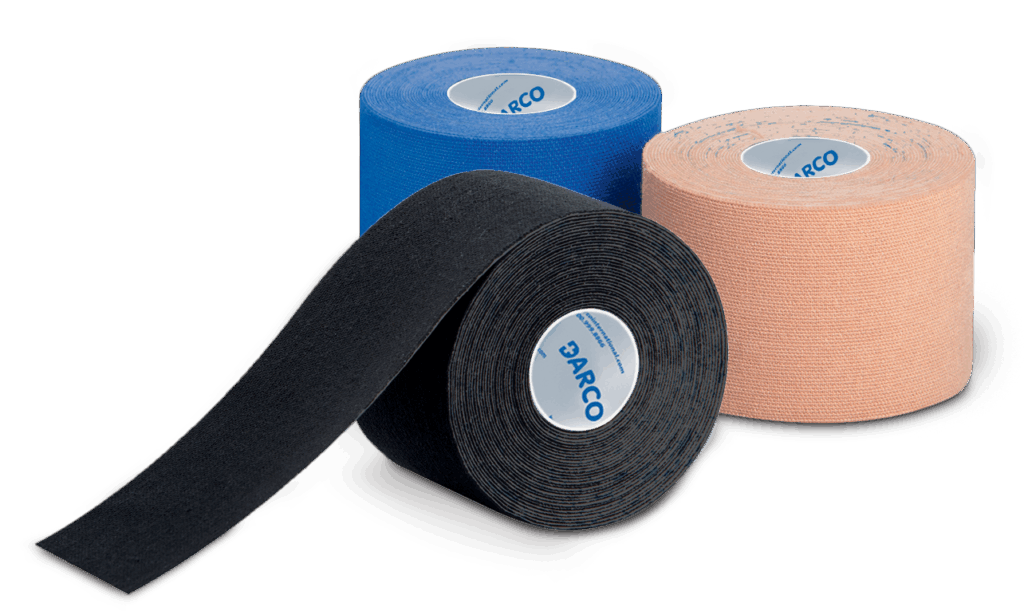
Body Armor® Elastic Tape is DARCO International’s sport and therapy tape. The thin, breathable tape is convenient and easy to use, and its water-resistant construction helps it stay in place for days. This portable, versatile tape is available in three colors and is available for purchase through DARCO's official e-commerce partner, DARCO Direct. Click here to learn more about this great product!